Microfiber for bags & footwear
Shortlist microfiber when abrasion, hydrolysis or structural stability matters to a bag or footwear project. Select by exact material reference and intended part, then check the physical sample and any required evidence against the brief. ELYN supplies microfiber for comparison alongside PU, recycled leather and genuine leather.
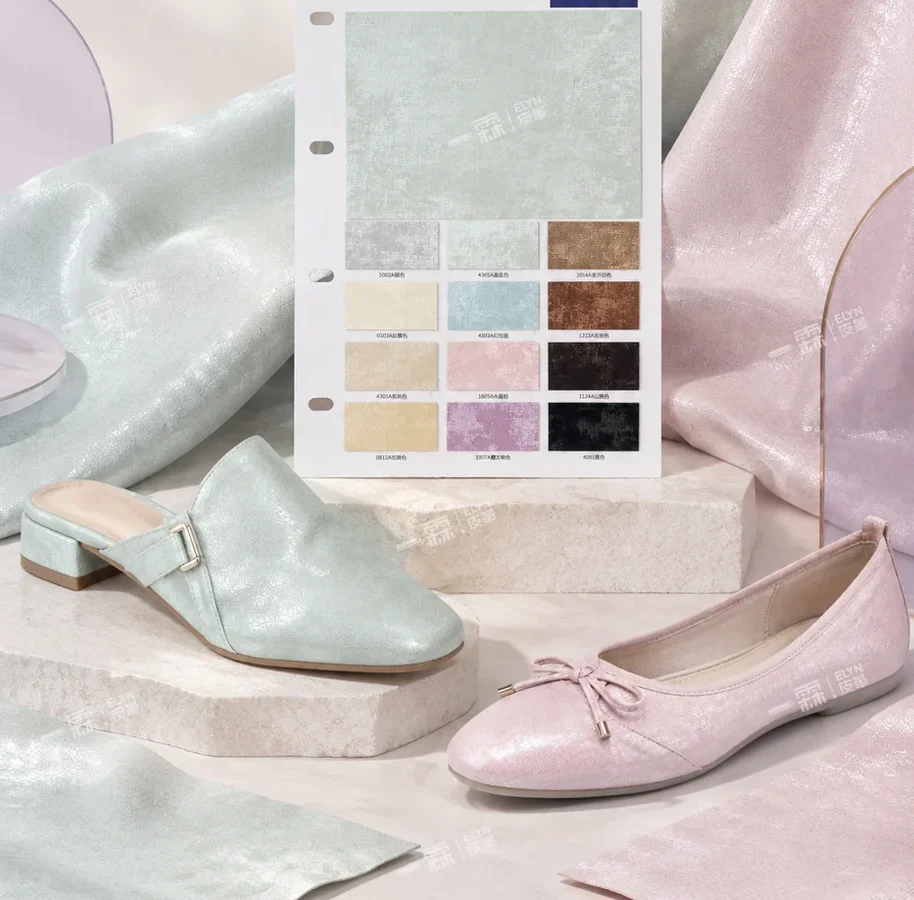
Choose by where the material works hardest
Start with a part and a failure you want to avoid. A commuter bag handle sees repeated bending and contact with hands. A bag base rubs against the floor. A shoe upper needs to flex around the forefoot, while a reinforcement piece may need to support the intended outline. Writing those conditions down makes it easier to ask about the right material reference and removes pressure to select on a category name alone.
A short brief can name the product, part, target thickness and preferred feel, then rank abrasion, hydrolysis and shape retention by priority. Ask for the test method, conditions and result for the specific reference where these matter. A report for a different surface finish or thickness cannot tell you how your shortlisted construction will behave. If the project has a destination-market or buyer test protocol, share it at the start so we can check the documentation or discuss project testing.
| Decision | When to start with PU | When to include microfiber |
|---|---|---|
| Surface design | Color, grain, sheen or a specialty surface sets the look. | Look for a suitable face in parallel when the brief also sets performance targets. |
| Handfeel and shape | Compare regular PU references for a particular drape or soft hand. | Compare samples when the part needs controlled bend or support. Check thickness and the assembled stack. |
| Abrasion and aging | Check the shortlisted PU if the design calls for that surface. | Shortlist when rubbing, repeated flex or humidity exposure matters. Verify by reference and stated method. |
| Sample room | Try the intended seam, fold and edge treatment on the exact face and backing. | Make the same assembly and compare edge, stitch response and feel. |
Turn performance terms into sample checks
Abrasion. Tell us whether the concern is visible scuffing, a change in gloss or wear through the face. Inspect the outside corner, base or heel area that will take the most contact. The method, abrasive and acceptance criteria give a reported result context. A static rub on a flat swatch tells a different story from wear across stitching or along a fold.
Hydrolysis. If humid storage, transport or wear is part of the brief, state the expected exposure and ask how the chosen face and backing would be assessed after conditioning. Note the method and how changes such as peeling, tackiness or cracking would be judged. Keep a dry reference sample so your team can compare it with the conditioned piece. Material category alone does not establish a result or a service life.
Structural stability. Review how the piece behaves after cutting, stitching, bending and handling. If symmetry matters, compare pieces cut in each direction and look for changes at the seam. Use the actual reinforcement and lining so you can see whether the assembly holds its outline. For footwear, coordinate evaluation with the pattern and lasting process and check the flex area separately from any part meant to hold its shape.
What to send before requesting samples
- Application and exact part. Identify the bag body, handle, reinforcement, shoe upper or trim. Add a sketch or photo showing the part and which side will be visible.
- Thickness and handfeel. Give the target thickness or acceptable range, desired flexibility and the intended backing, lining or reinforcement. If thickness is open, explain what the stack must do.
- Performance requirements. Share abrasion, hydrolysis, flex or shape requirements in the buyer’s terms. Include the method and pass criteria if a specification exists.
- Surface and process. Describe color, grain and gloss. Note skiving, stitching, bonding, folding, heat or edge finishing and identify anything the design leaves open.
- Timing and decision. Say whether you need a shortlist, a physical swatch or material for a first build. Share the date of the next sample review.
Ask your sample room to make two versions of the same difficult part, using the same seam allowance and component stack. Label each version with its reference and why it was shortlisted. If one folds well but feels too firm after assembly, record both observations. These notes give procurement a clearer brief for the next round than a simple pass or fail on a swatch.
If color is still open, decide first whether acceptable performance and handling depend on a particular construction. Agree which face or color changes require another physical approval. See the handbag selection guide for a way to compare shortlisted PU and microfiber references with your design and sourcing teams.
Sampling questions
Will every microfiber reference meet the same abrasion or hydrolysis requirement?
Performance can vary by specific material and finish. Share your requirement and test method so we can check documentation or discuss testing for the reference you want to evaluate.
How do I choose a thickness for a microfiber bag or shoe part?
Start with the part, desired bend or support and the intended lining or reinforcement. Evaluate the complete stack in a small prototype before finalizing the thickness.
Can I request microfiber and PU samples together?
Yes. Share the application, finish and performance brief so the samples can be compared on the same part. Confirm physical sample availability for the shortlisted references.
Does stock availability determine the minimum order?
The minimum depends on the reference, stock and any special finish. Some stocked items have no strict minimum. Confirm the order conditions for your chosen material.